
Washing a comforter should leave it clean, soft, and fluffy-not lumpy in the corners or damp in the middle.
When lumps show up after washing, detergent is not always the only problem. From a production and sample-checking point of view, washer space, loading method, spin balance, drying heat, and turning during drying all affect how the filling moves and recovers.
The safest way to avoid lumps is to follow the same order you would use at home: check the care label, inspect the fabric, load the comforter with enough room, and dry it slowly.
You’ll also see why a small washer can cause lumps and how to check whether the comforter is dry inside, not just on the surface.
Start with the care label before anything else.
Check the Care Label First
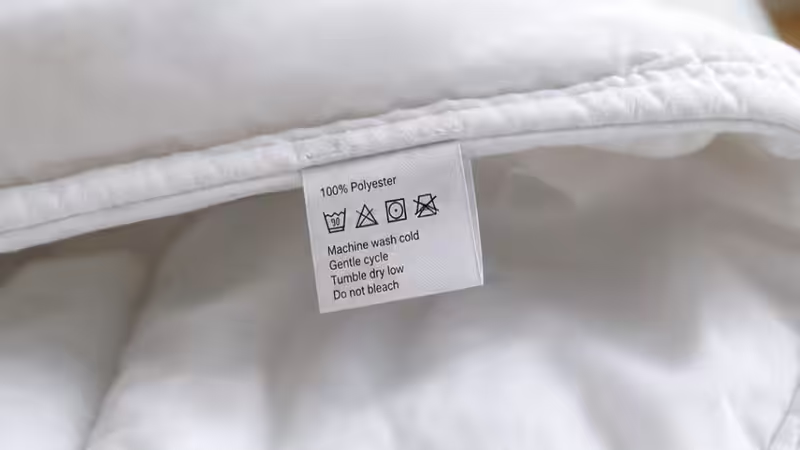
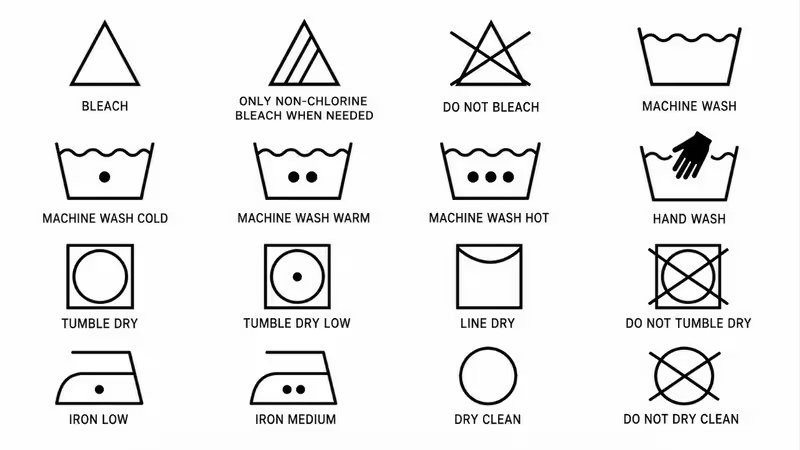
Start with the care label. It tells you what the fabric and filling can safely handle.
Different fabrics, fillings, and quilting styles can need different water temperatures, wash cycles, and drying methods. A quick label check can help you avoid shrinkage, fabric damage, and stubborn lumps later.
Machine Washable or Dry Clean Only
First, check whether the label says machine washable or dry clean only.
If the comforter is dry clean only, do not put it directly into the washer. Wool may shrink when washed with water. Silk may lose its shine. Down products may form hard clumps or develop odors if they are not dried well.
If the label allows machine washing, check the water temperature, wash cycle, and drying instructions before you start.
Detergent Type
If the care label does not give special instructions, avoid bleach, strong stain removers, or fabric softener.
A comforter is large and thick. If detergent stays inside the filling, it can affect softness and reduce fluffiness.
For down, wool, silk, or special functional fabrics, follow the label and use the right detergent.
Water Temperature
Do not choose water temperature by guesswork.
Cold water is usually better for delicate fabrics. Cool water works for most comforters with synthetic filling. Warm water should only be used when the label clearly allows it.
Do not use hot water just to get a deeper clean. High heat can damage the fabric and reduce the bounce and loft of the filling.
Wash Cycle
If the label says the comforter is machine washable but does not name a cycle, choose a gentle cycle, bedding cycle, or bulky cycle.
A comforter becomes heavy after it absorbs water. Strong agitation can pull on the fabric, quilting stitches, and filling. A gentler cycle is often better for this kind of large bedding item.
If your washer has a bedding, bulky, or delicate mode, choose the one that matches the care label.
If your washer has an extra rinse option, use it to help remove detergent residue from the thick filling.
Drying Instructions
Read the drying instructions carefully.
Some comforters can be tumble dried on low heat. Some should only be hung to dry or laid flat to dry. Do not assume every comforter can be dried with high heat.
High heat may shrink the fabric, damage the filling, and make the comforter hard or thin after washing.
Inspect the Comforter Before Washing
Before washing, do two things: check for damage and treat stains.
It only takes a minute, and it can save the comforter from bigger damage in the washer. For filled bedding, a small hole or loose seam can become worse during machine washing.
Check for Damage or Loose Threads
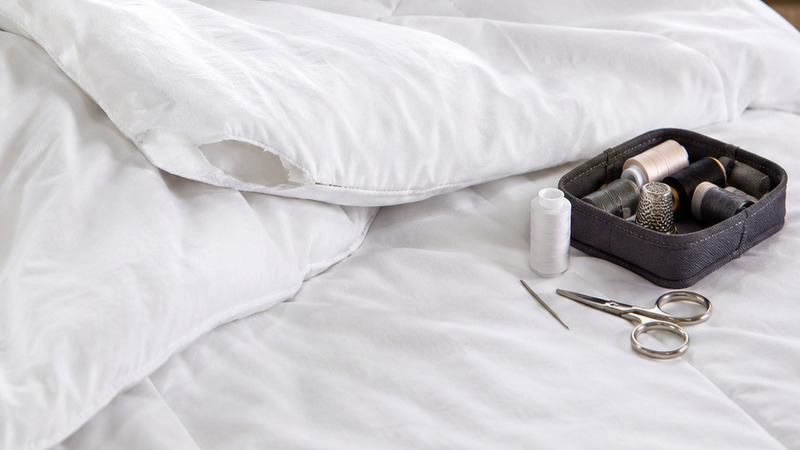
Lay the comforter flat on the bed or on a clean floor. Check the surface for holes, loose threads, open seams, or weak stitching.
If you find a problem, repair it before washing.
A comforter absorbs water, moves, and spins in the washer. If it already has a small tear, the tear may become larger. The filling may also come out through the opening.
Treat Local Stains First
If there are clear stains on the comforter, do not put it straight into the washer.
Tough stains may stay on the fabric if they are not treated first. Washing the whole comforter again and again is not good for the fabric or the filling.
Lay the stained area flat. If the construction allows, gently separate the filling from the stained surface before treating it. If not, keep the spot treatment light and avoid soaking the filling.
Use a small amount of mild cleaner and press gently. Do not scrub hard, and do not soak the area.
That way, the stain gets treated without pulling too much water or detergent into the filling.
Add Detergent Before Loading the Comforter
Many people put the comforter into the washer first. Then they pour detergent directly on top of it.
That can leave detergent sitting in one spot.
A comforter is bulky and thick. If detergent stays in one place, it may not rinse out well. After washing, the comforter may feel less soft because of detergent residue.
Add the Detergent
Choose the right water temperature and wash cycle based on the care label.
For a front-load washer, add detergent to the detergent drawer. For a top-load washer, let the washer fill with water first. Then add detergent and allow it to dissolve before putting in the comforter.
Do not pour detergent directly onto the comforter.
Do not use too much detergent. A large comforter does not mean you need a large amount of detergent. Too much detergent makes rinsing harder and can affect both the fabric softness and the filling loft.
Give the Comforter Enough Room in the Washer
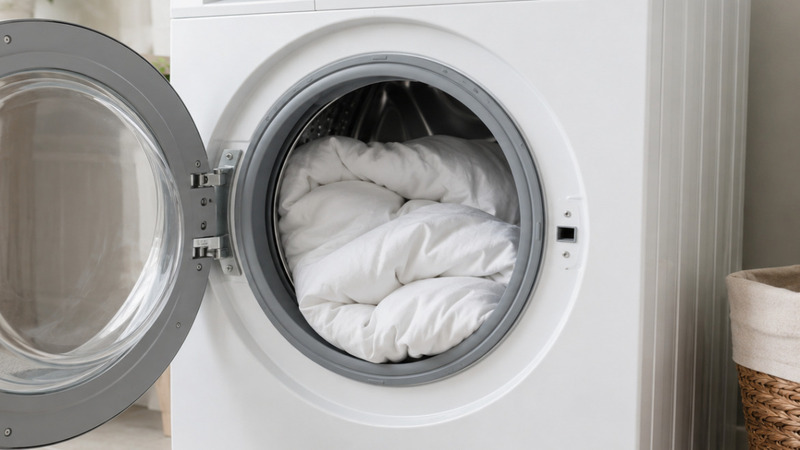
Do not roll the comforter into a tight ball. Do not force it into the washer.
Place it loosely and evenly in the drum. Try to spread the weight as evenly as possible so water can move through the fabric and filling.
If the comforter is squeezed into the washer, the inside may not wash well. The deepest areas can also be harder to rinse and dry.
As a practical guide, the comforter should still have enough open space to move freely in the drum. If it fills the washer and stays pressed in one place, use a larger machine instead.
For queen size or king size comforters, a large-capacity washer at a laundromat is often a better choice than forcing the comforter into a small home washer.
Manufacturer’s Note: A Small Washer Can Cause Lumps
In production and sample checks, we often see comforter lumps caused by one simple issue: the comforter is too large for the washer drum.
When a large comforter is placed in a small washer, it cannot open up naturally. It stays pressed inside the drum during washing, rinsing, and spinning.
This is especially noticeable in the corners, seams, and quilted areas.
When those areas stay under pressure for too long, the filling cannot spread evenly. After washing, you may see:
•Hard corners
•Filling gathered into lumps
•Uneven loft inside quilted boxes
•A wavy or uneven surface
•Areas that are harder to dry fully
Before washing, check whether the washer is large enough.
If the comforter has almost no room to move, do not force it. Use a larger machine or choose a professional cleaning method based on the care label.
How to Dry a Comforter Without Lumps
Drying is one of the most important steps in comforter care.
Many comforters are not damaged during washing. They become lumpy, flat, or musty because they are not dried evenly or fully.
Before drying, clean the lint filter in the dryer.
A blocked lint filter reduces airflow. That makes drying slower and less even, which matters a lot for thick bedding.
Place the comforter evenly in the dryer drum. Just like the washer, the dryer should have enough room for the comforter to tumble freely.
If the dryer is too full, the comforter may stay twisted. The outside may feel warm and dry while the inside is still damp.
Choose low heat or medium-low heat unless the care label gives different instructions.
Do not use high heat just to save time. High heat can shrink the fabric, damage the filling, or make the comforter feel stiff after drying.
During drying, take the comforter out every 20–30 minutes. Shake it gently, pat the corners, and spread it out again before putting it back into the dryer.
It feels like an extra step, but it is one of the easiest ways to keep the filling from settling in one area.
If the care label allows it, you can add wool dryer balls. They help the comforter move better in the drum and can reduce filling buildup in one spot.
If the comforter feels very hot when you take it out, the drying temperature may be too high. Let it cool for a few minutes, then continue drying on low heat.
A comforter needs slow, even drying more than fast heat.
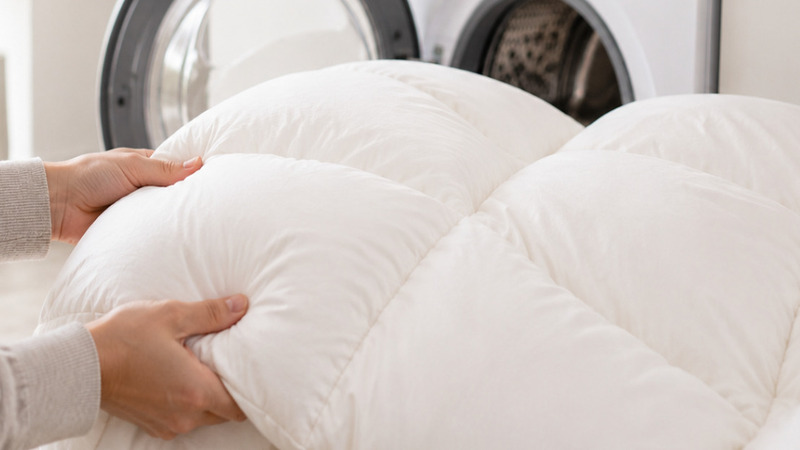
How to Tell If the Comforter Is Fully Dry
From a manufacturing and quality-checking point of view, a dry surface does not mean the inside is dry.
Do not judge dryness by touching only the surface.
Press several key areas with your palm:
- The main body of the comforter
- The four corners
- Areas near quilting stitches
- Seams
- Bound edges
After pressing, release your hand and watch how the area rebounds.
If the pressed area returns to a fluffy shape quickly and feels light and soft, the inside is likely in good condition.
If one area rebounds slowly, feels hard, sticky, damp, or heavier than other areas, the inside may not be fully dry.
In this case, do not store the comforter yet. Keep drying it on low heat, or place it in a well-ventilated area until it is fully dry.
A comforter must be completely dry before storage. If not, it may develop a musty smell or lumps later, even if it looks fine at first.
Comforter Washing FAQs
How often should you wash a comforter?
It depends on how the comforter is used.
If the comforter touches your body directly, washing every 1–3 months may be reasonable.
If you use a duvet cover or top sheet, the comforter itself usually needs less frequent washing, often a few times a year.
Wash it sooner if you have pets, sweat a lot, see stains, notice odors, or have allergy concerns.
Will washing damage a comforter?
Normal washing should not cause clear damage if you follow the care label and use the right washer size, water temperature, wash cycle, detergent amount, and drying method.
Most problems happen when the comforter is forced into a small washer, washed with too much detergent, dried with high heat, or stored before it is fully dry.
How long does drying take?
Drying often takes more than one cycle and may take several hours.
The exact time depends on the comforter size, fill weight, fabric type, dryer capacity, and heat setting.
Do not rely only on the dryer timer. Check the corners, seams, quilting lines, and middle filling layer before storage.
Can I use dryer balls?
Yes, if the care label allows tumble drying.
Wool dryer balls can help the comforter tumble more freely and reduce filling buildup in one area.
They do not replace proper drying time, but they can help the comforter dry more evenly.
When should you replace a comforter?
You may need to replace a comforter if you notice these problems:
- The comforter is much thinner than before
- It does not regain loft after shaking
- The filling has serious lumps
- Warmth feels uneven from one area to another
- The fabric is thin, weak, brittle, or damaged
- Stains do not come out
- Odors remain after washing and drying
- Softness, breathability, or comfort has dropped noticeably
A comforter is not only for warmth. It also affects sleep comfort. When the structure cannot recover, the user experience will keep getting worse.
Conclusion
Before washing your comforter, check the care label, washer space, and drying method.
If the comforter feels crowded, use a larger machine instead of forcing it in.
After drying, press the corners and quilted areas to make sure the filling is fully dry.
For more bedding care tips, read our guide on care labels and fabric maintenance.
Develop Comforters With Better Wash Performance
We manufacture custom comforters and comforter sets for bedding brands, importers, wholesalers, and hotel suppliers.
If you are planning a comforter program, start with the fabric, filling, quilt pattern, size, and care label.
These details affect filling movement, drying time, loft recovery, and long-term comfort.
Send us your comforter specifications, and we can help review the right solution before sampling or bulk production.