
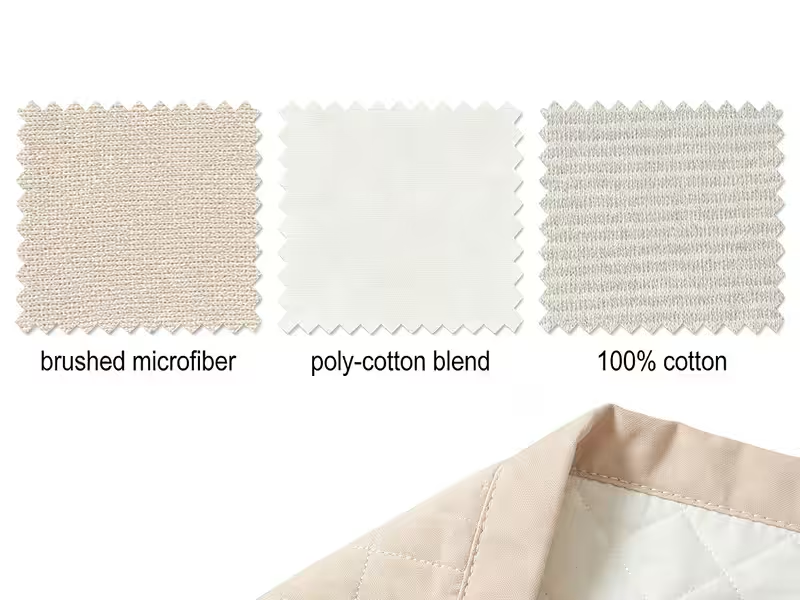
Choosing the right bedding fabric is not only a product decision. For importers, wholesalers, retailers, and private label brands, it also affects price positioning, packaging efficiency, freight cost, durability, maintenance, and reorder potential.
From brushed microfiber and poly-cotton blends to standard cotton, different bedding fabrics serve different business goals. A fabric that performs well in one market or retail channel may not be the best choice in another.
If you want to build a bedding program that is easier to sell, easier to maintain, and easier to reorder, fabric selection should be based on market demand rather than on marketing buzzwords alone.
If you want to choose the right bedding fabric for your market, start with your target price point, customer expectations, care requirements, and shipping cost. For B2B buyers, the best bedding fabric is not always the softest or the cheapest, but the one that offers the best balance of appearance, durability, maintenance, and landed cost for the intended retail channel.
Why Fabric Choice Matters in Bedding Programs
When buyers source bedding, they often focus first on design, color, or price. These factors matter, but fabric choice is just as important because it shapes the product’s hand feel, wash performance, packaging weight, and long-term commercial value.
The right fabric can help you:
- match customer expectations in your target market
- keep your retail price competitive
- control shipping and storage costs
- reduce complaints related to pilling, wrinkling, or shrinkage
- build more stable repeat-order programs
The wrong fabric can make a product harder to sell, harder to maintain, and less competitive after freight and handling costs are included. That is why experienced B2B buyers usually evaluate bedding fabrics not only by feel, but also by how well they fit the full business model.
What Buyers Should Know Before Comparing Bedding Fabrics
Before comparing microfiber, poly-cotton, or cotton, it is important to understand that fabric selection is not only about touch. It is also about where the product will be sold, who the end customer is, and what level of maintenance the product is expected to handle.
Price Position
A fabric should match your target market. Budget and mid-range bedding programs usually need a strong balance of softness, durability, and affordability, while higher-end collections may place more value on natural fiber content and premium hand feel.
Care Requirements
Easy-care bedding performs better in many mass-market channels. Products that wrinkle easily or require more careful washing may create more complaints in value-driven retail programs.
Print Performance
Some fabrics support printed designs better than others. If your market relies on colorful patterns, seasonal themes, or promotional collections, print clarity and color hold become more important.
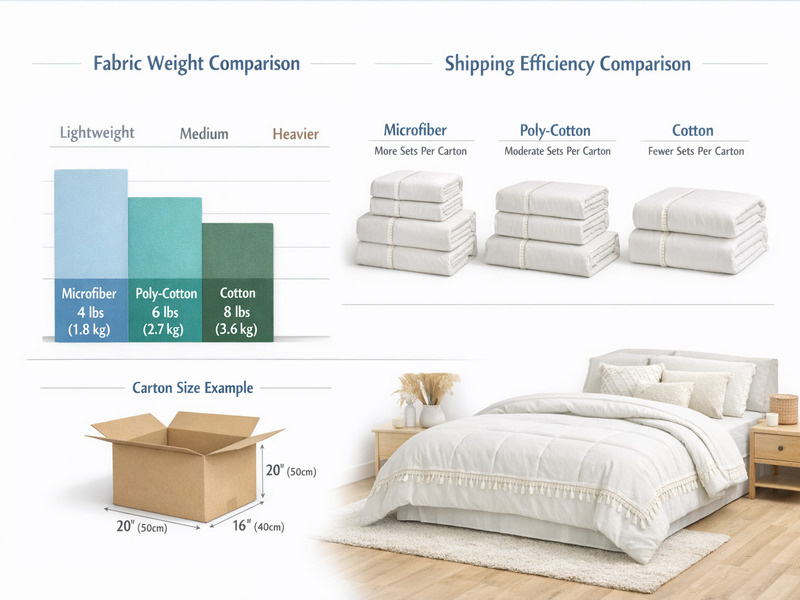
Shipping Weight
Fabric weight directly affects freight cost, storage efficiency, and carton planning. For multi-piece bedding programs, even a small increase in weight can affect the landed cost of the full set.
Retail Channel Fit
The right fabric for a hotel program may not be the right fabric for an online retail bundle. Different channels prioritize different things, such as softness, durability, easy maintenance, or visual presentation.
Common Bedding Fabrics Used in Wholesale Programs
Below are some of the most common bedding fabrics used in cost-effective wholesale bedding programs. These are typical market options rather than fixed rules, because actual fabric construction and finishing can vary by supplier and product requirement.
Brushed Microfiber
Brushed microfiber is usually made from finely woven polyester fibers and finished for a softer hand feel. It is widely used in budget and mid-range bedding programs because it combines soft touch, print flexibility, and low fabric weight.
Typical advantages:
- soft surface after brushing
- good wrinkle resistance
- lower shrinkage risk
- strong print performance
- lighter shipping weight
Because of its lightweight construction and easy-care performance, brushed microfiber is often a practical choice for printed sheet sets, duvet cover sets, and multi-piece bedding bundles that need better freight efficiency.
Best for:
- everyday retail bedding
- printed collections
- e-commerce programs
- value-focused multi-piece sets
Poly-Cotton Blends
Poly-cotton blends combine polyester and cotton to balance durability, breathability, and easier maintenance. Different blend ratios can be used depending on the target price point and performance requirement.
Typical advantages:
- more breathable feel than fully synthetic options
- better wrinkle resistance than many all-cotton constructions
- stronger wash durability for repeated use
- practical balance between cost and performance
This type of fabric is often chosen for bedding programs that need dependable wash performance without moving too far into premium pricing.
Best for:
- hospitality supply
- institutional bedding
- standard retail programs
- buyers who want a practical middle option
Cotton
Cotton remains an important bedding fabric in markets that value natural fiber content and breathability. It is often associated with a more traditional bedding feel and is commonly used in higher-positioned retail collections.
Typical advantages:
- natural fiber appeal
- breathable feel
- familiar hand feel for many consumers
However, cotton programs usually require more attention to price, wrinkle performance, shrinkage control, and shipping weight. For that reason, cotton may be a better fit for markets where natural-fiber preference is strong and the target price can support it.
Best for:
- higher-end retail lines
- markets that prefer natural fibers
- selected private label collections
- buyers building a more premium fabric story
How to Choose the Right Bedding Fabric for Different Business Models
There is no single best fabric for every market. The right choice depends on your channel, target customer, and price strategy.
For E-commerce and Online Sellers
Online programs often benefit from fabrics that are easier to pack, lighter to ship, and less likely to disappoint customers after unpacking. Easy-care performance also matters because online reviews often focus on softness, wrinkles, and washing results.
Recommended direction:
- brushed microfiber
- lightweight printed fabrics
- easy-care sheet and duvet programs
For Discount Retail and Big-Box Programs
Mass retail usually needs fabrics that look attractive, feel soft enough at first touch, and support competitive price points. In these channels, visual appeal and value perception are often as important as fiber content.
Recommended direction:
- microfiber
- selected poly-cotton constructions
- fabrics that support clear printing and efficient packaging
For Hospitality and Institutional Supply
Hotels, motels, dormitories, and institutional buyers usually care more about wash durability, maintenance efficiency, and replacement consistency than decorative appearance.
Recommended direction:
- poly-cotton blends
- practical easy-care fabrics
- constructions designed for repeated laundering
For Higher-End Retail Collections
Retail programs targeting a more premium customer may place more emphasis on natural feel, breathability, and fiber story. In these cases, cotton or upgraded fabric programs may offer stronger market alignment.
Recommended direction:
- cotton
- selected cotton-based collections
- custom fabric programs with upgraded specifications
How GSM, Weight, and Maintenance Affect Total Cost
When buyers compare bedding fabrics, they often focus on purchase price alone. In practice, the total cost is affected by more than the fabric quote.
Fabric choice influences:
- unit weight
- carton loading efficiency
- container utilization
- ironing or care requirements
- customer satisfaction after washing
- long-term reorder stability
For synthetic fabrics, GSM is often a more useful reference than marketing claims such as “high thread count.” A fabric may feel thicker or more substantial at a higher GSM, but it can also increase the overall weight of the bedding set. The best option is the one that fits your target price point, packaging format, and retail expectation.
This is why experienced buyers usually evaluate fabric not only by factory cost, but also by landed cost and market fit.
Standard Fabrics vs Custom Fabric Programs
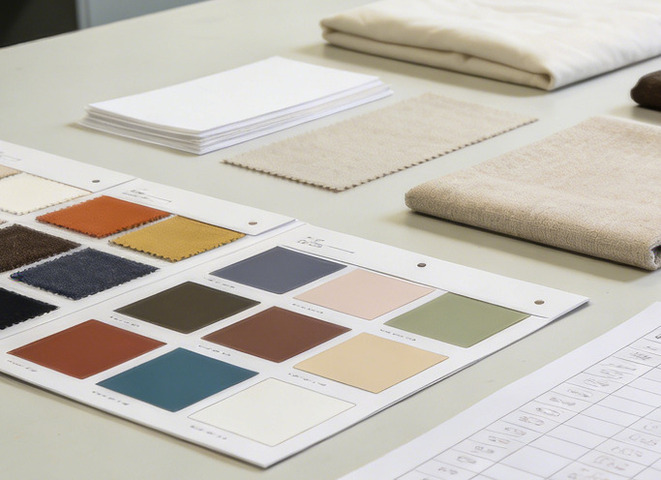
Standard fabric options work well for many volume programs, but more B2B buyers now prefer custom fabric choices that better match their market and product positioning.
Custom fabric programs may involve:
- different GSM targets
- different fabric blends
- customized hand feel or brushing level
- print requirements
- packaging considerations
- private label positioning
For example, one buyer may need a lightweight microfiber for an e-commerce bedding set, while another may want a more substantial poly-cotton construction for a hotel program. The right answer depends on the market requirement, not on a fixed “best fabric” claim.
This is why custom fabric planning has become an important advantage for importers, distributors, and private label brands that want better assortment control and fewer mismatches between product and market demand.
3 Practical Tips Before Ordering Wholesale Bedding Fabrics
1. Match the Fabric to the Market Position
Do not choose fabric by softness alone. Start with the end market, expected retail price, and customer preference. A fabric that looks good in a sample room may not be the right choice for a cost-sensitive bulk program.
2. Evaluate Maintenance Along with Hand Feel
Easy-care performance is often a major selling point. Consider wrinkling, shrinkage, drying behavior, and wash durability before confirming the final fabric.
3. Calculate Landed Cost, Not Only Factory Cost
A lower fabric price does not always mean a better program. Check how fabric weight, packing efficiency, and shipping cost affect the total cost per set before placing the order.
FAQs About Bedding Fabrics
What is the most cost-effective bedding fabric for wholesale programs?
There is no single answer for every market, but brushed microfiber is often a practical choice for budget and mid-range bedding programs because it combines soft feel, print flexibility, and lighter shipping weight.
Is cotton always better than microfiber for bedding?
Not necessarily. Cotton may be a better fit for markets that prefer natural fibers, while microfiber may perform better in value-focused programs that need easier care and lower freight cost.
Why do B2B buyers choose poly-cotton blends?
Poly-cotton blends are often chosen because they offer a practical balance between breathability, durability, and maintenance efficiency.
Can bedding fabric GSM be customized?
Yes. Many B2B buyers customize GSM, fabric blend, finish, and construction based on their target price point and product positioning.
Final Thoughts
The right bedding fabric is the one that matches your market, sales channel, and cost structure.
For B2B buyers, successful bedding programs are usually built around real market demand, practical maintenance requirements, and total landed cost. A well-chosen fabric can improve retail fit, reduce complaints, and support more stable repeat orders.
If you are developing a wholesale bedding program, it is better to choose fabric based on channel fit and commercial logic than to rely on buzzwords alone.
Looking for Custom Bedding Fabric Solutions?
We support importers, wholesalers, distributors, and private label brands with flexible bedding fabric solutions based on real market needs.
From microfiber and poly-cotton programs to cotton-based collections and customized fabric specifications, we help you develop bedding products with the right fabric, the right weight, and the right positioning for your business.
Contact us to discuss your target market, product plan, and preferred fabric specifications.